Quick intro
Whether you live in a Khrushchyovka, a modern ЖК or a private house outside the city, renovating in Russia has its own rules: harsh winters, centralized utilities, and building bureaucracy. These practical hacks will help you plan smarter, avoid common local pitfalls and get a durable, comfortable result without overspending.
Core planning steps (do these first)
— Make a realistic budget with a buffer of 15–25% for unforeseen repairs (old wiring, hidden damp, uneven slabs).
— Get a basic technical assessment (БТИ/engineering review) before removing walls or changing load-bearing structures — many apartment changes require approval.
— Put everything in writing with contractors: scope, materials, stages, deadlines, acceptance criteria and payment schedule. Never pay full amount upfront.
— Schedule major exterior works for late spring–early autumn. Exterior insulation, roof and façade work is best done in warm dry months.
— Work in stages: demolition → rough utilities → plastering/leveling → finish works. This reduces rework and dust contamination.
Insulation, heating and energy savings
— Insulate from inside and outside where possible. For apartments, balcony glazing + proper insulation can add 1–2°C of comfort and reduce bills.
— Install thermostatic radiator valves (термоголовки). They cut heating costs and are mandatory for energy-efficient apartments.
— Consider a heat recovery ventilation unit (рекуператор) for apartment buildings with poor air quality — helps retain heat while ventilating.
— Seal window and door gaps with silicone or compressive seals before winter. Double-glazed windows (окна ПВХ) with warm edges are worth the investment.
— Balance radiators (make sure every radiator gets correct flow) — improves heating efficiency and comfort.
Electrical, gas and safety
— Replace old Soviet wiring. If your wiring is original, have a licensed electrician inspect and rewire circuits with RCDs/automatic breakers (УЗО/автомат).
— Never DIY gas work. Only licensed газовщики can alter gas lines or boilers. Tampering risks safety and fines.
— Install at least one smoke detector and a carbon-monoxide alarm (especially with gas appliances).
— Use a proper grounding (PE) and separate circuits for kitchen, bathroom, and heavy appliances.
Moisture, ventilation and bathroom tips
— Avoid full bathroom work in winter without professional ventilation — condensation and mold risk increase when drying is done with heaters.
— Use waterproofing membranes and cementitious waterproofing in wet zones before tiling.
— Choose neutral-curing silicone for wet areas — acetic silicones can corrode metals.
— If hot water is unreliable (centralized ГВС), add a small electric boiler (бойлер) — often faster and cheaper than constant plumbing fixes, but notify ЖКХ if connecting affects the system.
Walls, floors and finishing hacks
— Level floors with self-leveling screed only after humidity and temperature stabilize — drying takes longer in cold season.
— Use engineered wood or ceramic tiles in high-humidity rooms — plain laminate can swell if moisture control is poor.
— For tiling, use tile levellers and spacers to avoid uneven grout lines; use flexible grout where temperature swings are expected.
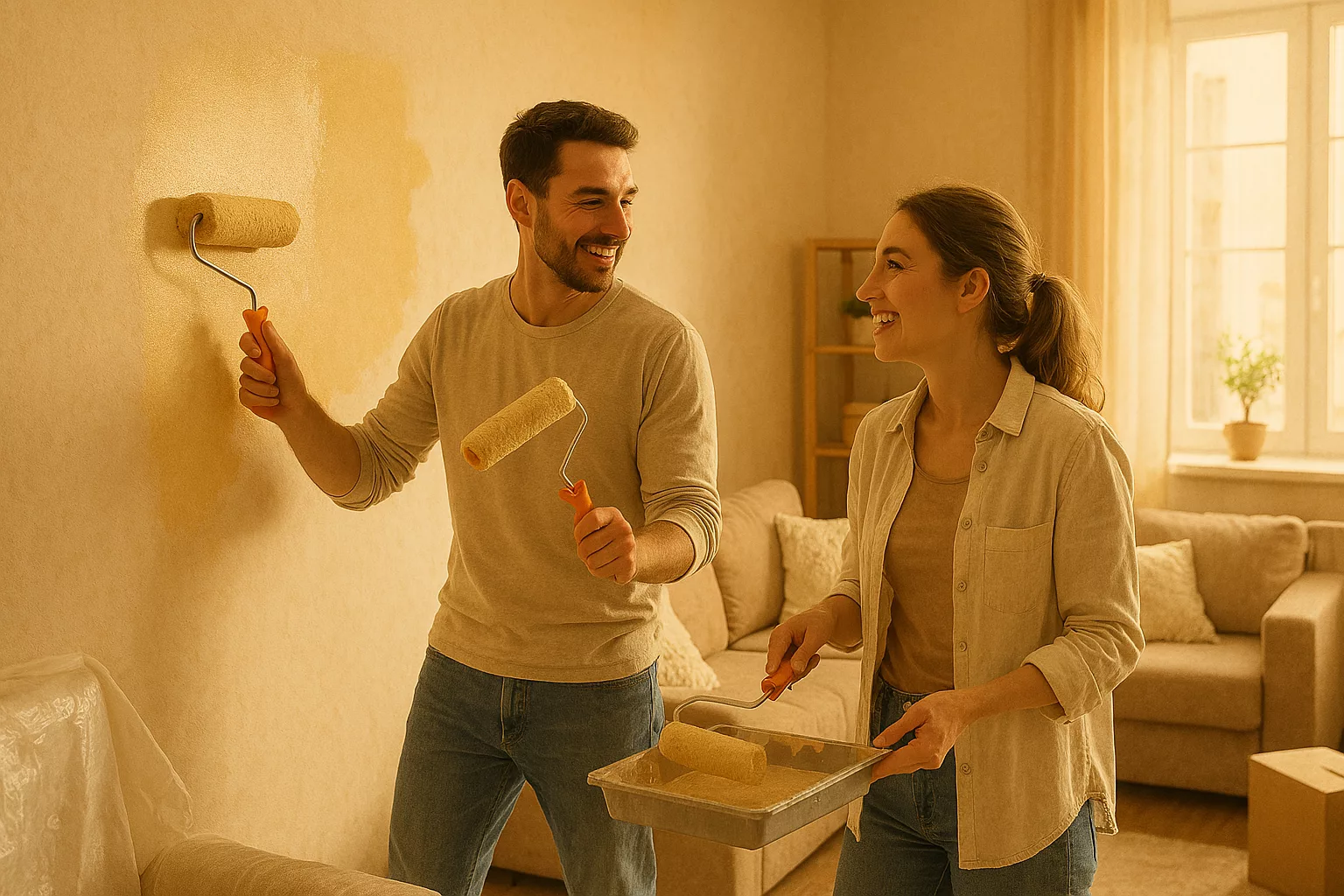
— Prime surfaces with PVA primer or a suitable acrylic primer to reduce paint use and improve adhesion.
— Acclimatize wood and flooring materials in the apartment for 48–72 hours before installation to prevent later warping.
Cheap, effective life hacks
— Remove old wallpaper with a steam cleaner or a mixture of warm water + fabric softener.
— Use PVA glue diluted 1:1 as a cheap primer for porous surfaces — it improves plaster adhesion.
— Clean grout with baking soda + hydrogen peroxide: paste, wait, scrub with an old toothbrush.
— Rent specialized tools (saw, tile cutter, SDS drill) from tool rental shops (аренда инструмента) instead of buying.
— Use leftover tiles or laminate in service rooms or closets to reduce waste and cost.
Working with contractors in Russia — practical tips
— Ask for references and recent photos of similar jobs. Visit one ongoing or finished site if possible.
— Pay in stages: advance (10–20%), after rough works (40–50%), after completion (remaining 30–50%). Keep receipts and contracts.
— Beware cash-only lowball offers — they often mean no guarantees, poor-quality materials, or unexpected extras.
— Agree finish standards (brands, colours, tolerances) before work starts. Use photos as references in the contract.
Legal and municipal specifics
— Check local rules for structural changes. Removing load-bearing walls or changing balcony glazing commonly needs согласование with the Управa/BTI and project documents.
— Report major electrical and gas changes to utility services where required — unregistered changes can cause problems when selling.
— For private houses, confirm heritage or zoning restrictions before changing facades or roofs.
Eco and longevity tips
— Prefer long-lasting finishes over cheap quick fixes. A slightly higher-grade paint and good primers will save repainting costs.
— Use LED lighting with dimmers — saves energy and improves comfort in long winters.
— Choose low-VOC paints and adhesives for better indoor air quality, especially important in sealed apartments.