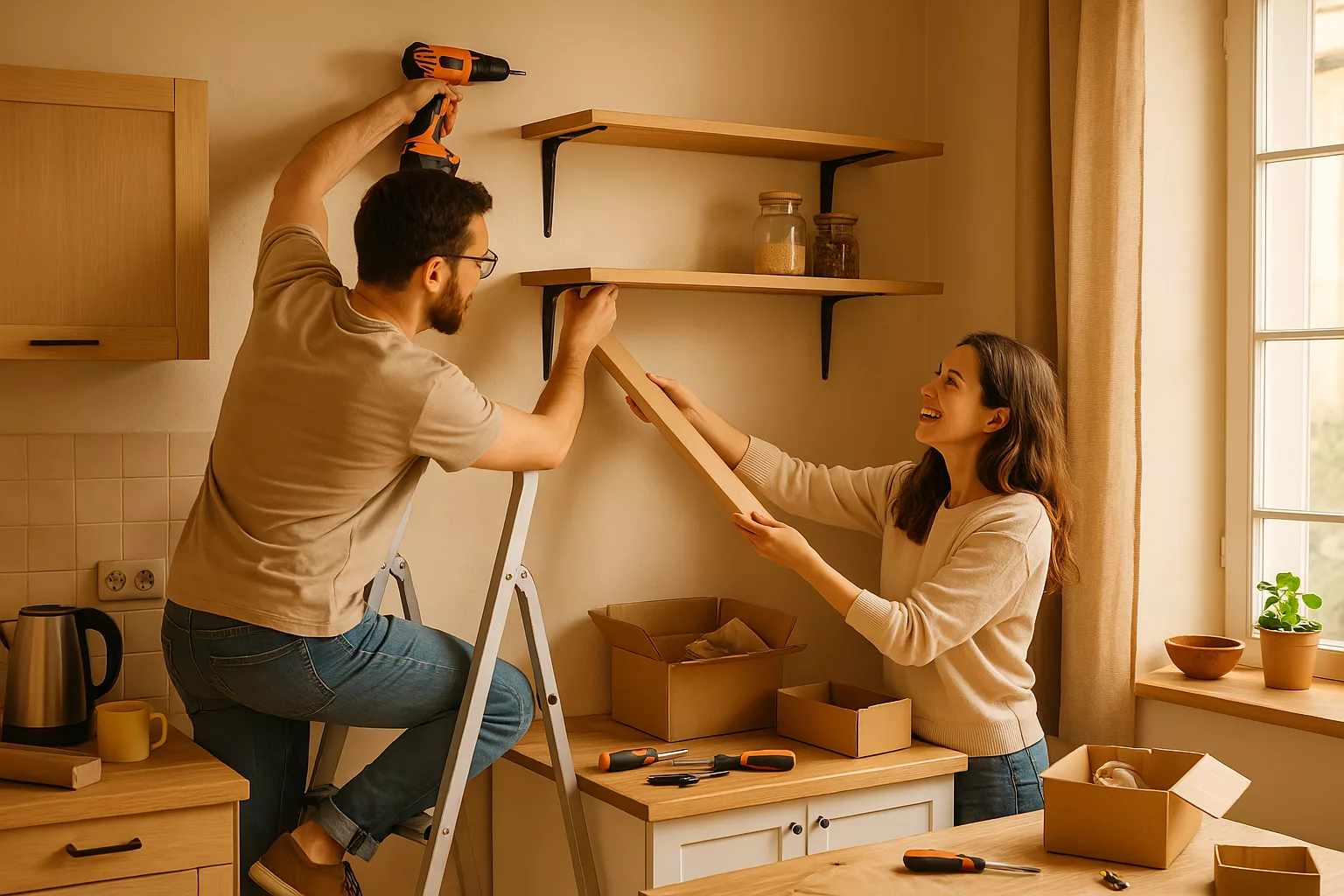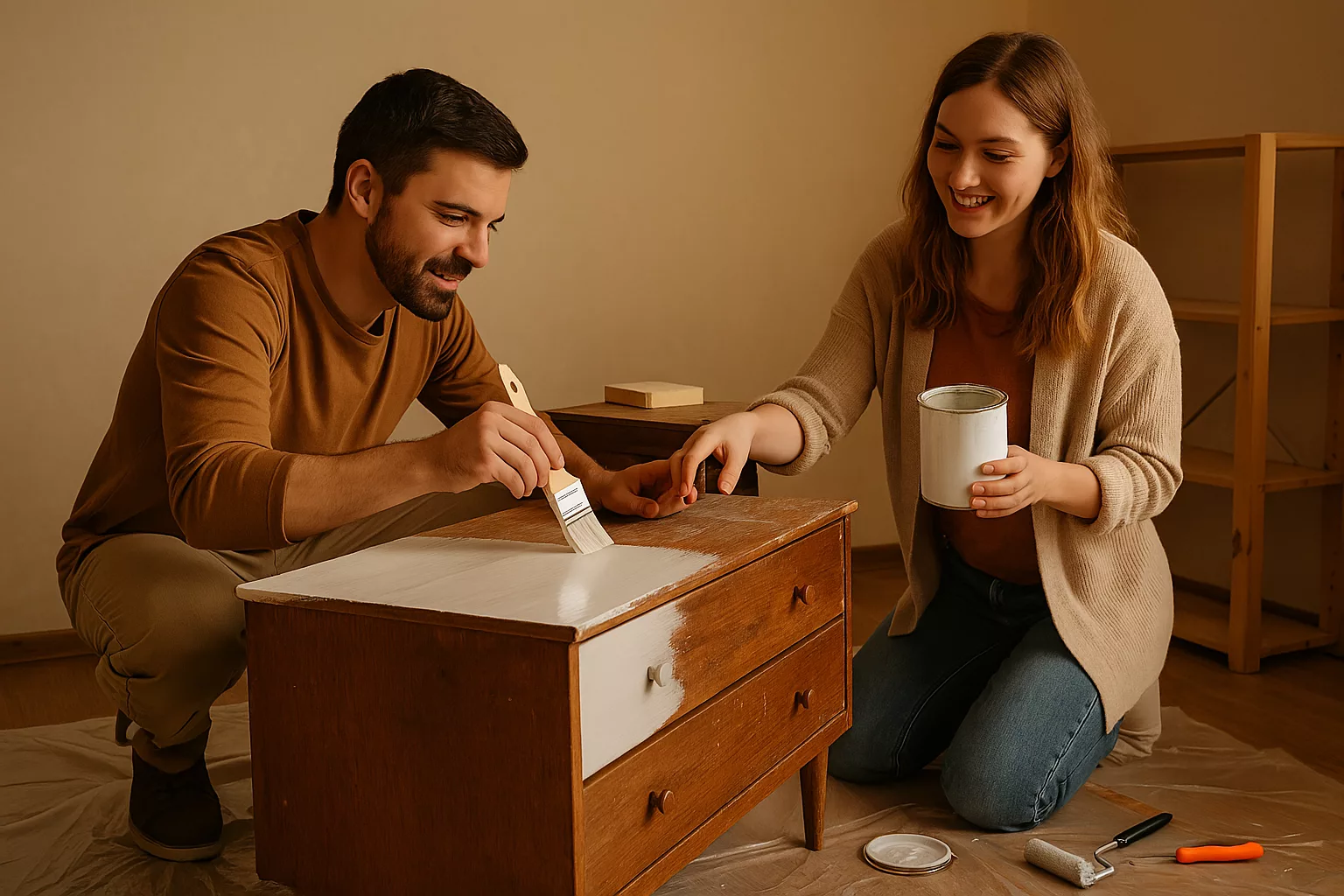
Quick intro
Renovating in Russia has its own practical challenges: wide temperature swings, high humidity in some regions, and specific marketplace and regulatory realities. Below are 50 tried-and-true life hacks, tips and small rules-of-thumb to save time, money and stress while improving comfort and durability.
Planning & preparation
— *Measure twice, plan once.* Create a simple floor plan and mark utilities (pipes, wiring, gas). Use a stud/metal detector before drilling.
— Take photos and document existing conditions before demolition — useful for reinstatement or tradespeople.
— Schedule major exterior works for late spring–early autumn; avoid exterior painting, facade work or roof repairs during freeze-thaw season.
— Check local rules: some changes (load-bearing walls, gas appliances, balcony glazing) require permits or technical approvals.
Budgeting & time management
— Build a 15–25% contingency into your budget for surprises (old wiring, hidden moisture, Soviet-era block inconsistencies).
— Prioritize: fix leaks, insulation and heating first; cosmetics later.
— Do the messy or noisy tasks (demolition, plumbing, screeds) before surface finishing to avoid rework.
Sourcing materials & tools (Russia-specific)
— Big-box retailers: Леруа Мерлен, OBI, Castorama — good for standard materials and delivery.
— Local construction markets and warehouses (e.g., Петрович) often have better prices for bulk goods.
— Use Avito and local Facebook/VK groups to find surplus materials and used tools.
— For power tools, consider short-term rentals if you’ll use them infrequently — cheaper than purchase.
Energy efficiency & insulation
— Insulate external walls and attic first — it reduces heating bills most effectively.
— Replace single-pane windows with double- or triple-glazed units (energy-efficient coatings matter in cold regions).
— Seal drafts around windows and doors with foam or weatherstripping; pay attention to thresholds and ventilation.
— For older buildings, add internal insulation combined with a vapour barrier to prevent condensation.
Heating & water systems
— Balance radiators with thermostatic valves; consider thermostatic heads to control room temperature and save energy.
— When installing underfloor heating, calculate floor buildup and insulation to avoid heat loss into the slab.
— Flush radiators at the first sign of uneven heating; air purging and chemical cleaning can prolong life.
— For hot water, a small electric tank can help in buildings with unreliable central hot water supply (but mind local regulations).
Moisture control & ventilation
— Ensure adequate ventilation in kitchens and bathrooms. Install extractors with backdraft dampers.
— Use moisture-resistant materials in wet rooms (ГКЛВ, cement board, waterproofing membranes).
— Fix leaks immediately; even small leaks create mold and structural damage in cold seasons.
— In high-humidity climates, use an electric dehumidifier during renovations to speed drying.
Walls, floors & surfaces — practical hacks
— Use a laser level for quick, accurate alignment of tiles, cabinets and frames.
— Self-leveling floor compounds save time on screeds for laminate or tile installation.
— To avoid repeated cutting, cut tiles after marking them on plywood templates of fixtures (sinks, pipes).
— For squeaky floorboards, use construction adhesive or a screw from underneath to pull joists tight without removing the flooring.
— When repainting, *prime* porous surfaces — primer reduces paint consumption and improves adhesion.
Tile & bathroom tips
— Start tiling from the visible edge and work toward the hidden corners; dry-lay to plan cuts.
— Use tile spacers and a good tile leveling system to avoid lippage in large-format tiles.
— Seal grout properly and re-seal annually in wet rooms to prevent leaks.
Electrical & safety
— Always switch off the correct circuit at the panel and verify with a tester before working.
— Replace old wiring sections when renovating kitchens or bathrooms — modern loads are higher.
— Install RCD (УЗО) protection in kitchens, bathrooms and for outdoor outlets.
— Use a professional electrician for gas-related electrical changes or complex rewiring.
Small but powerful hacks
— Remove paint from metal with a heat gun and scraper — faster than chemical strippers.
— Clean tile stains and grout with a paste of baking soda and hydrogen peroxide (test small area first).
— Use a pool noodle cut to size as door protection when painting or moving furniture.
— For stripped screw heads, use a rubber band over the head to improve grip for the screwdriver.
— Use painters’ tape and a putty knife to get razor-sharp paint edges on trim.
Working with contractors
— Get at least three written estimates and clarify scope, materials and warranty.
— Pay in milestones, not all upfront. Keep a small retention (10%) until final acceptance.
— Ask for references and photos of previous similar projects.
— Put key decisions (finishes, brands) in writing to avoid disputes.
Waste, disposal & logistics
— Plan for debris removal: order a skip (контейнер) sized to your job rather than multiple small trips.
— Recycle where possible: bricks, wood and metals are often accepted by local recyclers or resellers.
— Protect common areas (elevators, corridors) with cardboard to avoid condominium fines.
Seasonal & climate-specific advice
— In very cold regions, use frost-resistant paints and adhesives formulated for low temperatures.
— Prevent freezing of exposed pipes by insulating them and maintaining a small trickle of water if required during extreme cold.
— For balcony glazing (остекление балкона) choose systems rated for your climate if you plan to use it year-round.
Smart upgrades with high ROI
— Replace old windows and add insulation — usually the fastest payback for comfort and bills.
— Install programmable thermostats or wired thermostatic radiator valves to manage heating.
— Improve entrance door insulation and seals to reduce drafts and heat loss.
— Add LED lighting — lower energy and maintenance costs.
Maintenance & daily life hacks
— Keep a small “renovation kit” (screws, anchors, sealant, multi-tool) for quick fixes.
— Label shut-off valves and circuits you change; mark them on your floor plan.
— Use felt pads under furniture to protect new floors.
— Regularly clean and check seals in bathrooms and kitchens; small touch-ups avoid big jobs.
Final checklist before finishing
— All structural and plumbing work completed and tested.
— Electrical inspections done and certificates obtained if required.
— Moisture levels in screed and plaster are safe for finishing (use a moisture meter).
— Final cleaning and dust-proofing before installing final furniture/soft finishes.
Quick reference: Where to buy / search in Russia
— Big stores: Леруа Мерлен, OBI, Castorama.
— Trade warehouses: Петрович, Баусервис (regional).
— Tools & small equipment: 220 Вольт, Masteram.
— Marketplaces/apps: Avito, Юла, Яндекс.Маркет.
— Local specialists and reviews: Profi.ru, YouDo.ru.
Emphasize planning, moisture control